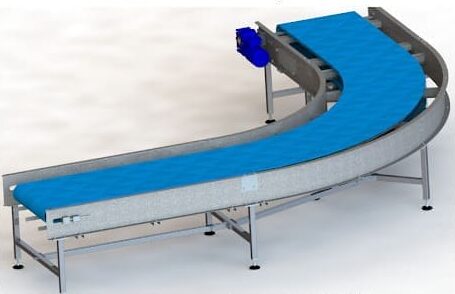
Belt Conveyors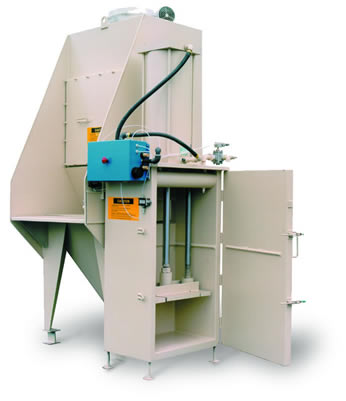
Bulk Bag Handling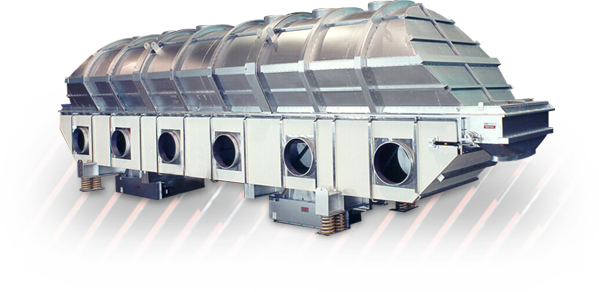
Industrial Dryers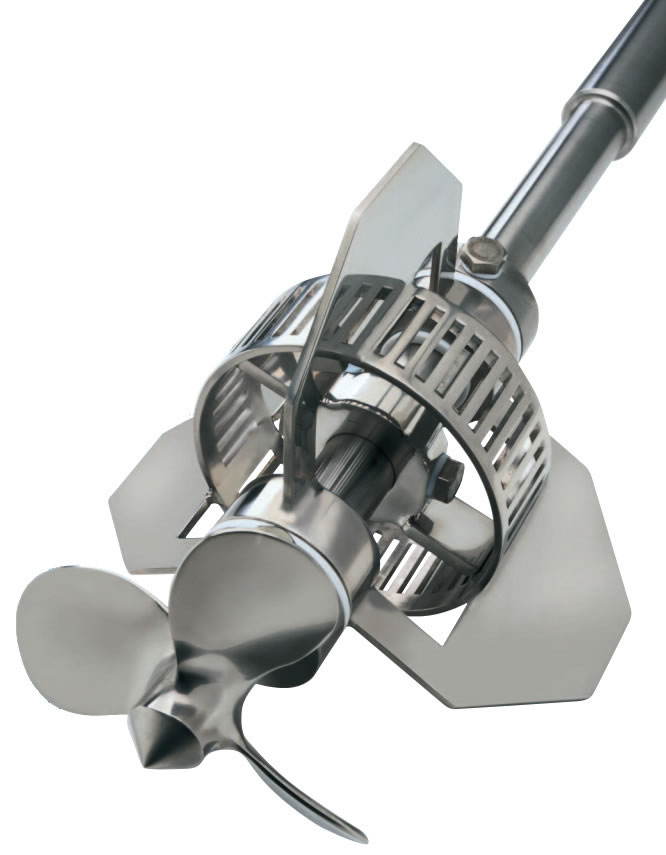
Mixers & Blenders
Palletizers
Pneumatic Conveyors
Screw Conveyors
Vibratory Feeders
Weighing Systems & Scales
Bulk material handling systems are the backbone of industries that process and transport large volumes of raw materials. These systems are designed to efficiently move, store, and manage bulk solids such as coal, ores, grains, cement, chemicals, and aggregates. Whether it’s in mining, agriculture, construction, or manufacturing, bulk material handling plays a critical role in ensuring that materials flow smoothly and operations run reliably.
The core components of a bulk material handling system typically include conveyors, hoppers, silos, feeders, stackers, reclaimers, and dust control systems. These elements are engineered to work together seamlessly, minimizing material loss and maximizing throughput. Proper design and integration of these components are crucial for reducing downtime, improving worker safety, and maintaining product quality.
The bulk material handling industry offers both standardized and custom-engineered solutions, depending on the scale and complexity of the application. Conveyor systems are particularly essential, with belt, screw, drag, and pneumatic conveyors being selected based on the material type and operational needs. Storage solutions like silos and bins help in managing inventory, while feeders and valves regulate the flow of materials with precision.
Industries that rely on bulk material handling include mining and quarrying, cement and building materials, food and agriculture, power generation, and chemical processing. These operations require systems that are not only robust and durable but also adaptable to extreme conditions and varying material properties. Investing in efficient handling equipment leads to greater productivity, energy savings, and reduced operational costs.
As demand grows for faster, cleaner, and more sustainable material movement, the bulk material handling industry continues to innovate. Trends such as automation, real-time monitoring, dust suppression technologies, and environmentally friendly designs are shaping the future. Our comprehensive range of bulk handling solutions is built to support these evolving needs, helping customers optimize their operations from pit to plant.

 Aluminum Extrusions
 Broaching
 CNC Machining
 Expanded Metals
 Laser Cutting
 Metal Etching
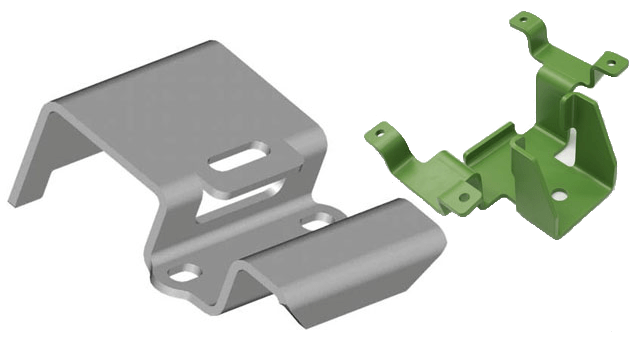 Metal Fabrication
 Metal Stampings
 Perforated Metals
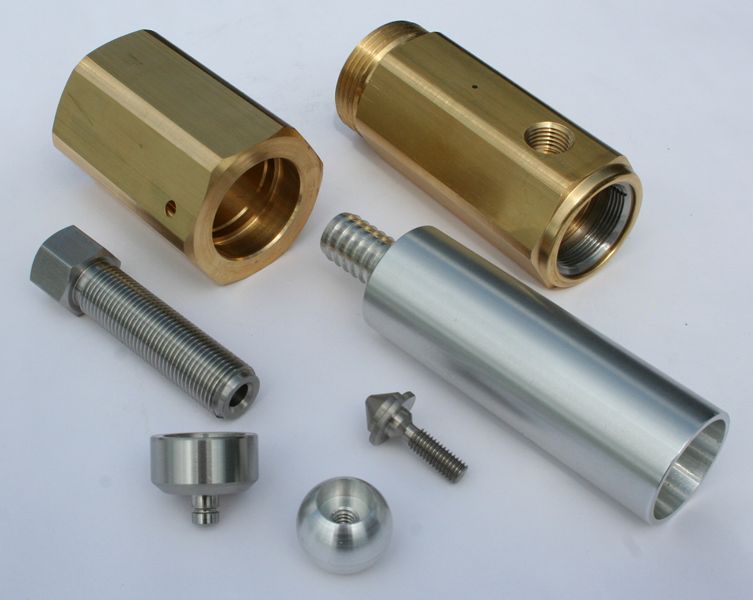 Screw Machine Products
 Sheet Metal Fabrication
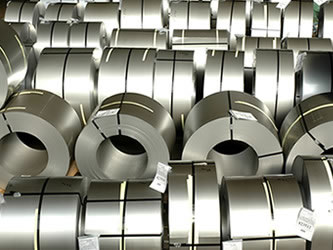 Steel Service Centers
 Tube Fabrication
 Water Jet Cutting
 Castings & Forgings
 Bulk Material Handling
 Electrical & Electronic Components
 Flow Instrumentation
 Hardware
 Material Handling Equipment
 Metal Cutting Services
 Metal Forming Services
 Metal Suppliers
 Motion Control Products
 Plant & Facility Equipment
 Plant & Facility Supplies
 Plastic Molding Processes
 Pumps & Valves
 Recycling Equipment
 Rubber Products & Services